
From Peaks to Ports: Handwork That Travels
Ancient Paths, Present Hands
Materials That Bind Landscapes
{{SECTION_SUBTITLE}}
Wool, Salt, and the Taste of Distance
Olive Wood Meets Alpine Steel
Makers at the Waterline
Boatwright Lessons from Tall Trees
Ceramic Glazes Borrowing Snow and Foam
Sailors’ Knots in Mountain Barns
Markets, Fairs, and Shared Tables
01
Railways That Carry More Than Cargo
The Bohinj Railway once stitched cold tunnels to warm platforms where crates rattled beside sketchbooks and songs. Artisans rode third class with wrapped parcels, swapping tips on finishes and drying times over pears and walnuts. At junctions, a baker met a boatbuilder, then redesigned trays to stack aboard ferries. Ideas hopped compartments as easily as sparrows, proving that timetables nurture creativity when carriages welcome conversation. Steel tracks carried clay dust, sawdust, and pride, arriving on time with something generous added.
02
Portside Saturdays and Alpine Mondays
Saturday mornings near the quay smell like oregano, rope tar, and fresh figs, while Monday markets uphill ring with bells, saws, and frying butter. Makers plan inventory with these rhythms, choosing when to debut a buckle, a glaze, or a turned bowl. Feedback arrives in smiles, stubborn haggles, and requests whispered like confidences. Iterations cross altitudes quickly, so a handle thickened at sea becomes a bestseller among mittens, and a pattern softened by fog sells out under crisp, bright peaks.
03
Recipes That Walk Between Climates
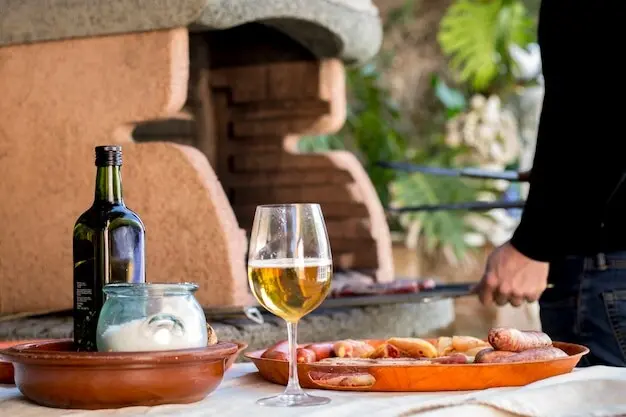
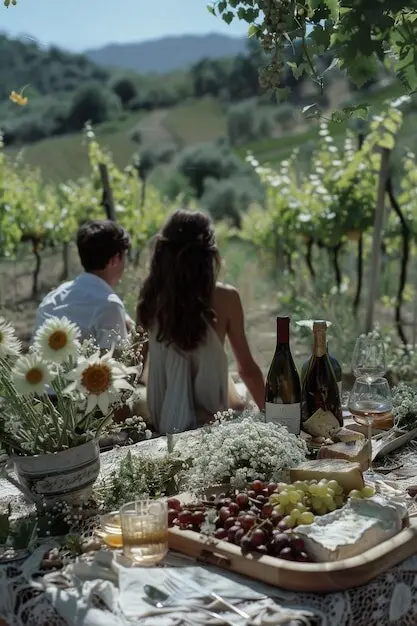
Consider a pot of jota, beans and sauerkraut simmered until spoon-friendly, meeting smoked pork from valleys and bay leaves from bays. Or buckwheat polenta enriched with anchovy butter, carrying waves into snow. Strudel recipes collect lemon zest from port crates, while mountain honey softens seaside bitterness. Bakers borrow sea salt for caramel, fishmongers borrow juniper for marinades. Every plate becomes a small truce between weather systems, proving hospitality is the oldest logistics network, requiring only heat, patience, and gratitude.
Learning, Mentorship, and Renewal
Journeys You Can Take
{{SECTION_SUBTITLE}}
A Week from Ridge to Quay
Pack Light, Buy Heavy
All Rights Reserved.