From Pasture and Pier to Plate: Alpine–Adriatic Culinary Journeys
Today we set out on farm-to-table culinary journeys across the Alpine–Adriatic region, tracing how honest ingredients travel from mountain pastures, terraced vineyards, salt gardens, and small harbors to generous plates. Along the way, meet caretakers of soil and sea, taste centuries layered into simple recipes, and discover markets where the day’s fog and wind still decide the menu. Expect stories of resilience, seasonality, and conviviality, and gather practical ideas to eat more thoughtfully—wherever you are.

From Peaks to Ports: The Living Map of Fields and Nets
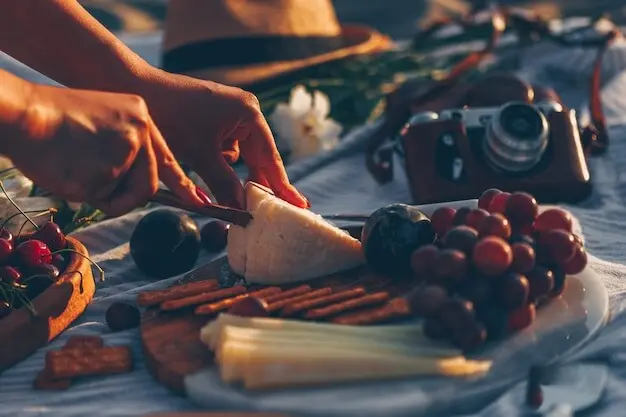
Imagine a morning that begins above the tree line with cowbells and hay-scented air, then drifts by lunchtime to limestone cliffs, finally settling at dusk beside quiet boats and the smell of salt. This compact region bends altitude and shoreline into one pantry. Alpine meadows breed clean milk; karst valleys temper wind and drought; estuaries cradle shellfish. Each curve in the road reveals another microclimate, a dialect, a method. Short distances, steep contrasts, and stubborn craftsmanship make freshness possible, delicious, and daily.

Seasons on the Plate: Alpine Pastures and Adriatic Tides

Spring Thaw and First Greens

As snow pulls back, ramps, nettles, and dandelion greens announce the smallest yet loudest flavors of the year. Farmers bring asparagus bundled like promises; cheesemakers offer young wheels that still hum with meadow songs. Soups grow bright with herbs; omelets hold nettles and ricotta; broths borrow lemon from the coast. Markets feel buoyant again, not crowded—just awake. Each bite records melting drips, muddy boots, and the relief of clouds that finally know how to lift and move.

Summer Abundance and Mountain Grazing

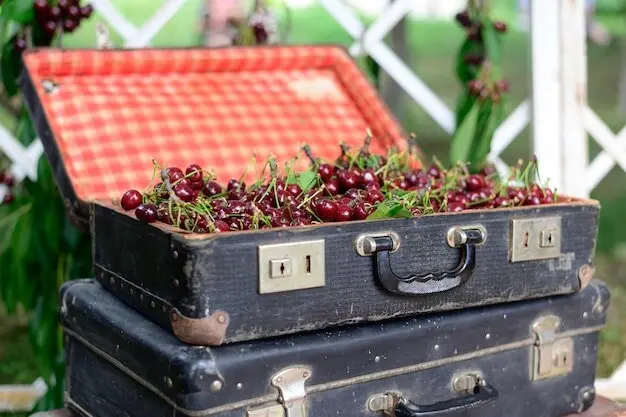
Heat stretches days wide enough for cherries from rolling hills, cucumbers dunked straight into salt, and tomatoes that forgive nothing but reward care. On heights, cows drift through flowered grass, and milk becomes soft cheeses begging for berries and honey. Along piers, grills mark sardines, mackerel, and squid with char lines that taste like sun on water. Salads crunch, basil loosens every tongue, and late dinners bleed into starry night. Plenty does not shout here; it hums, patient and assured.

Autumn Gold and Early Snows

Woods darken with porcini and chanterelles while truffle dogs nose miracles from leaf beds. Presses purr as olives surrender green fire; musty cellars yawn to welcome new vintages. Kitchens turn slower: pumpkin risotti, jota with beans and sauerkraut, roasted chestnuts beside young cheeses. Grapes become gatherings across borders, and bonfires carry laughter to vineyards. Hunters return with stories that season stews more deeply than pepper. Before long, first snow whispers its caution, and larders answer with jars, pickles, and comfort.

Hands That Feed: Farmers, Fishers, and Foragers

Beyond ingredients are people who practice attention as work. A farmer reads cloud backs and soil crumbs as if they were letters. A fisher invests in silence, trusting tide logic older than maps. A forager believes waiting is movement. Their crafts overlap at long tables where laughter, barter, and recipes cross languages. Family names attach to bread crusts, anchovy salt, and bean varieties. When you eat, their skill becomes part of your day’s weather, shaping memory and appetite together.

Dawn at the Market: A Farmer’s Story

He leaves before light, box truck rattling over patched roads, tomatoes wrapped in newspaper to keep kisses off their skins. At stalls, he sets herbs upright like flags and slices a peach to convince no one. Shoppers ask about rain; he answers with hands. By noon, crates empty and coins warm his pocket beside saved seeds. Later, he eats bread with cheese too good to sell and sleeps like fields do—quiet above, working below—counting not profit alone but conversations and trust.

Moonlit Nets: A Fisher’s Night

She studies the sky’s bruise and feels wind on cheekbones, deciding which cove keeps faith tonight. Nets slide overboard like unrolling sentences, weighted with hope and practiced knots. Hours pass with quiet talk and thermos tea; gulls comment sparingly. The haul arrives suddenly—silver flex, sea breath, relief. Back on shore, she sells quickly, insisting the fish remain themselves on the grill: oil, salt, flame, lemon. Anything more would be decoration on a song that already knows its tune.

Quiet Steps Under Oaks: A Forager’s Patience

He walks with a dog that reads earth like a book. Mushroom baskets stay light until sun turns a certain angle and understory whispers yes. Knife, brush, and gratitude do most of the work. Sometimes it is truffles, sometimes chanterelles, occasionally only stories, which are also food in winter. He teaches children to leave small ones and thank big ones. Back home, butter listens in the pan as fungi surrender forest rain, and plates become moss, bark, shadows, and joy.

Icons You Can Taste: Cheese, Oil, Salt, and Smoke
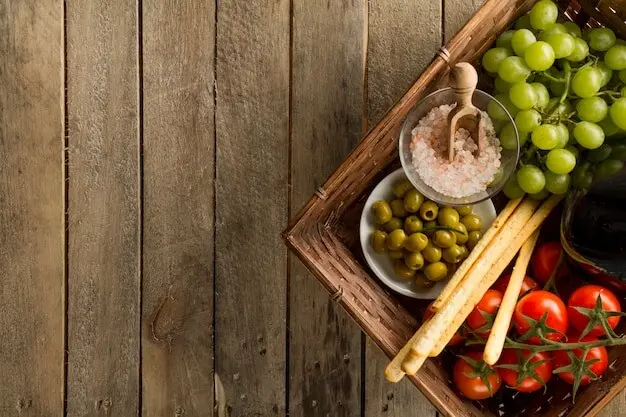
Certain flavors here behave like handshakes—firm, remembered. Cheeses from high meadows carry thyme and clover; their rinds suggest caves and patience. Olive oils from wind-sculpted groves flash pepper and artichoke, clarifying salads and fish. Sea salt taken by rake from quiet pans leaves crystalline restraint. Cured meats breathe pine, bay, and years of restraint in attics where bora keeps watch. None overwhelm; they collaborate. On a table together, they summarize landscape with tenderness rather than argument.

Journeys You Can Eat: Trails, Markets, and Open Doors

Travel here by fork and foot. Market mornings teach dialects faster than phrasebooks, and tasting spoons replace maps. Agritourism tables announce menus written by weather, not fashion. Osmize swing open rustic gates for cured meats, boiled eggs, pickles, and house wine poured without ceremony. Alpine huts trade panoramic views for soups that resurrect tired legs. Cycling paths stitch vineyards to coves in easy stages you can reward with figs. It is a gentle pilgrimage powered by appetite and curiosity.

Cooking It Forward: Heritage, Ecology, and the Next Bite

Short supply chains are not nostalgia here; they are survival and pleasure combined. Regenerative fields stitch carbon back into soils; hedgerows return insects to orchards; mixed farms trade monoculture for resilience. Kitchens honor scraps as ingredients with futures, turning rinds into broths, stale bread into dumplings, and fish bones into soups with backbone. Communities resist food deserts by inventing co-ops and modest delivery networks. Eating becomes an everyday vote for landscapes we want our grandchildren to recognize and love.

Soil First: Regeneration in the Vines and Fields

Cover crops knit winter green where dirt once slept bare. Compost, not chemistry alone, feeds rows of cabbage, beans, and vines that shade themselves wisely. Some farmers follow lunar calendars; others follow spreadsheets; both measure earthworms with hope. Drip lines waste less; hedges shelter pollinators and gossiping birds. When drought tightens, shade cloths arrive like thoughtful hats. Purchase by name and you sponsor experiments that keep rain where it falls, roots where they belong, and flavor exactly where it starts.

Waste Less, Taste More: Kitchen Craft

Cooks here treat leftovers as invitations, not afterthoughts. Yesterday’s polenta becomes golden slices for breakfast; cabbage cores soften into buttery braises; fish frames transform into brodetto that out-sings fillets. Pickle brines brighten dressings; rind ends teach beans humility and depth. Knives grow kinder with practice; storage jars multiply. The result is frugality without scolding, flavor without excess, generosity without strain. Try one swap this week and tell us what changed—your bin, your budget, or your confidence at the stove.

Tell Us Where You Ate Best
Was it a bowl of jota under rain, grilled sardines within reach of spray, or cheese on a sunlit rock with no one watching? Describe the road, the smells, the company, and the small mistake that made it perfect. Your story can guide another traveler to linger instead of rush. Post a comment, map a memory, and add practical hints—hours, cash-only, or which stall hides the sweetest cherries behind a shy smile. We will follow gratefully and hungrily.

Your Pantry, Our Recipes

Open your cupboard and list what you see—beans, stale bread, onions, one lemon, perhaps a lonely can of fish or jar of olives. We will suggest dishes that echo Alpine–Adriatic wisdom: brothy beans with oil and zest, polenta squares with greens, or anchovy toasts under shaved radish. Share back your tweaks and triumphs so everyone learns. Cooking together at a distance still tastes like community when advice arrives quickly and encouragement arrives sooner, keeping kitchens brave and resourceful.

Subscribe for the Next Harvest

Join for notes on upcoming markets, truffle weeks, olive presses, and mountain hut openings, delivered with practical maps and respectful tips. Expect interviews with caretakers of soil and tide, plus recipes tested in small kitchens, not studios. We promise no clutter—just seasonal clarity and useful surprise. When a bora blows or cherries blush, you will know in time to taste. Bring friends by sharing the link, and help this circle widen until every good producer finds a loyal table.
Darilivotemi
Privacy Overview

This website uses cookies so that we can provide you with the best user experience possible. Cookie information is stored in your browser and performs functions such as recognising you when you return to our website and helping our team to understand which sections of the website you find most interesting and useful.